


Granny Annexe Planning UK: Your Guide to Planning Permissions for Garden Granny Annexes

If you’re thinking about adding a garden granny annexe to your property, you’re probably wondering about the planning permissions involved. It’s a common question, and rightly so. After all, you want to make sure your new space is legal, comfortable, and fits perfectly within your garden. I’m here to walk you through everything you need to know about planning permissions for garden granny annexes, especially if you’re in Surrey, London, or the South East.
Let’s dive in and explore how you can create a premium outdoor living space that meets all the rules and regulations.
Understanding Granny Annexe Planning UK: What You Need to Know
When it comes to granny annexe planning UK, the rules can seem a bit confusing at first. But don’t worry - I’ll break it down for you. A granny annexe is essentially a self-contained living space in your garden, often used for elderly relatives or as a private retreat. Because it’s a separate dwelling, planning permission might be required.
Here’s the key: not all garden annexes need planning permission. It depends on several factors like size, location, and how you intend to use the space. For example, if the annexe is used as part of your main home and not rented out, you might be able to build it under permitted development rights.
However, if you want to be absolutely sure, it’s best to check with your local council. They’ll consider things like:
The annexe’s size and height
Its distance from boundaries
Whether it affects your neighbours’ privacy or light
The materials used in construction
If your project ticks all the boxes, you might not need formal planning permission. But if it doesn’t, you’ll have to apply for it.

How to Navigate Granny Annexe Planning UK Regulations
Navigating the planning system can feel overwhelming, but it doesn’t have to be. Here’s a simple step-by-step guide to help you through the process:
Assess Your Needs and Design
Think about how you want to use the annexe. Will it be a full-time living space or occasional use? This affects the planning requirements.
Check Permitted Development Rights
Many garden buildings fall under permitted development, meaning you don’t need planning permission if you meet certain criteria. For example, the annexe must be single-storey, not exceed 4 metres in height, and be located behind the main house.
Consult Your Local Planning Authority
Contact your local council’s planning department. They can provide advice tailored to your property and location.
Prepare Your Application
If you need planning permission, gather all necessary documents: site plans, elevations, and a design statement explaining your project.
Submit and Wait
The council usually takes up to 8 weeks to decide. During this time, neighbours can comment, and the council may request more information.
Start Building
Once approved, you can begin construction with confidence.
Remember, even if you don’t need planning permission, you must comply with building regulations to ensure safety and quality.
What is the 4 Year Rule for Sheds?
You might have heard about the “4 year rule” when it comes to garden buildings like sheds and annexes. What does it mean exactly?
The 4 year rule refers to the time limit for enforcement action by your local council. If you build a structure without planning permission and the council doesn’t take action within 4 years, the building becomes lawful. This means you can keep it without penalty.
However, this rule is not a free pass to build without permission. It’s risky to rely on it because:
The council might spot the building early and require you to remove it.
If the building causes issues for neighbours, complaints can trigger enforcement.
It doesn’t exempt you from building regulations.
So, while the 4 year rule exists, it’s always better to get the right permissions upfront. That way, you avoid stress and potential costs later.
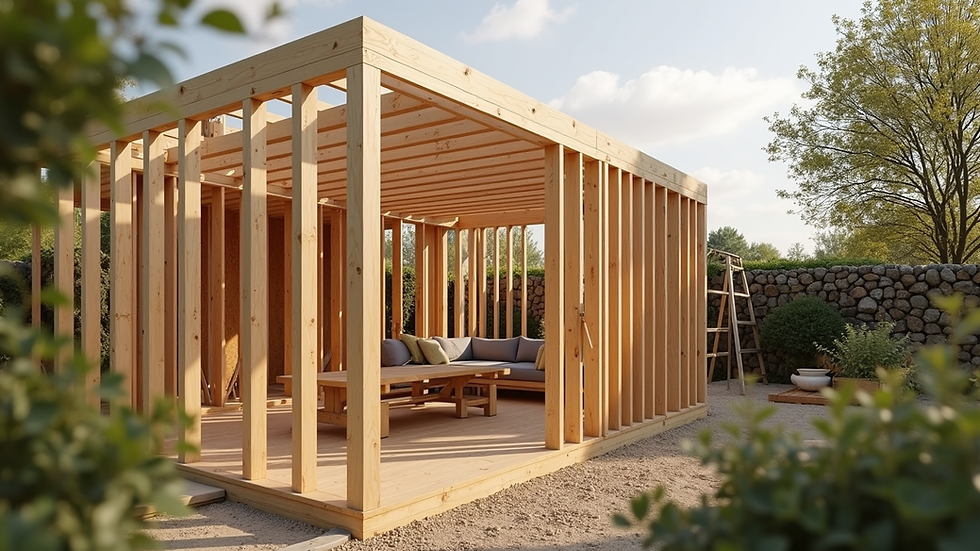
Practical Tips for Securing Garden Granny Annexe Planning Permission
Securing planning permission can feel like a hurdle, but with the right approach, it’s straightforward. Here are some practical tips to help you succeed:
Work with Professionals
Hiring an architect or a specialist in garden rooms can make a huge difference. They know the rules and can design your annexe to meet all requirements.
Be Clear About Use
Make sure your application clearly states the annexe is for family use, not a separate rental property. Councils are more likely to approve annexes that support family living.
Respect Your Neighbours
Talk to your neighbours before applying. If they support your plans, it reduces the chance of objections.
Choose Quality Materials
Using premium materials not only looks great but shows you’re committed to a high-quality build that fits the area.
Consider Access and Parking
If your annexe increases the number of residents, the council might ask about parking. Plan accordingly.
Prepare for Conditions
Sometimes, permission comes with conditions like landscaping or limits on use. Be ready to comply.
By following these tips, you’ll increase your chances of a smooth approval process.
Why Choose a Premium Garden Granny Annexe?
You might wonder why investing in a premium garden granny annexe is worth it. Here’s why:
Comfort and Privacy
A well-designed annexe offers a private, comfortable space for your loved ones or yourself.
Adds Value to Your Home
A stylish, functional annexe can boost your property’s value, especially in sought-after areas like Surrey and London.
Versatility
Use it as a guest room, home office, or hobby space. The possibilities are endless.
Seamless Integration
Premium builds blend beautifully with your garden and home, enhancing the overall aesthetic.
Energy Efficiency
High-quality materials and design mean better insulation and lower running costs.
If you want to explore your options, it’s worth looking into garden granny annexe planning permission to understand the legal side while focusing on creating your dream space.
Making Your Garden Granny Annexe a Reality
Building a garden granny annexe is an exciting project. It’s about creating a space that suits your lifestyle and adds value to your home. By understanding the planning permissions and following the right steps, you can avoid pitfalls and enjoy a smooth process.
Remember, the key is to plan carefully, consult the experts, and respect the rules. That way, your new garden annexe will be a beautiful, legal, and lasting addition to your property.
Ready to start your journey? With the right guidance and a premium build, your garden granny annexe will be the perfect retreat for years to come.


Comments